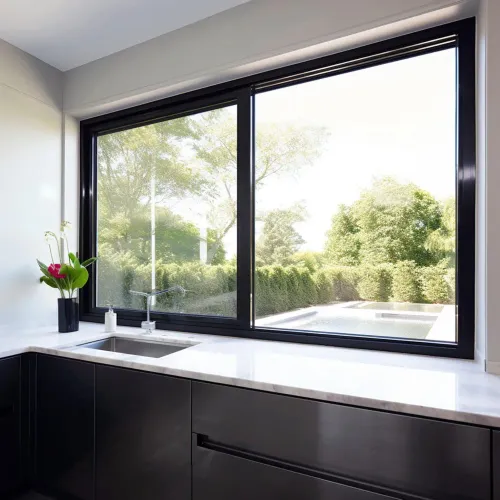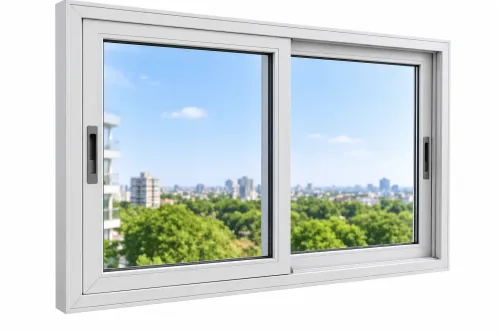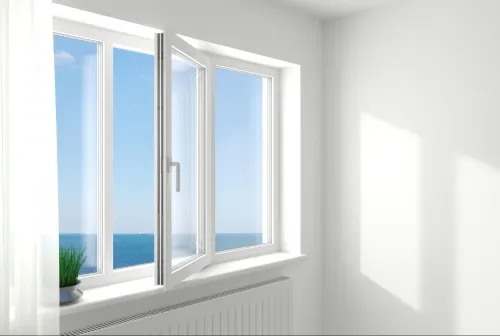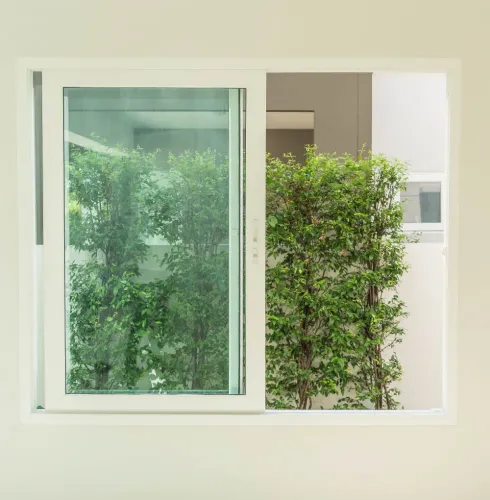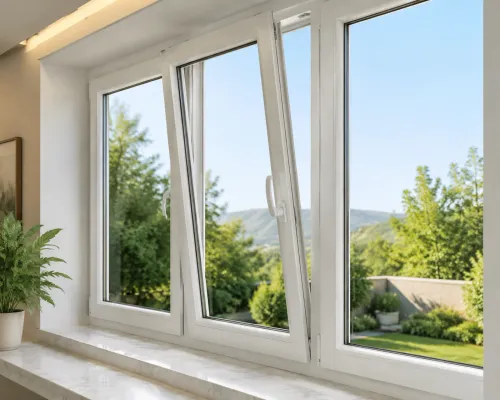
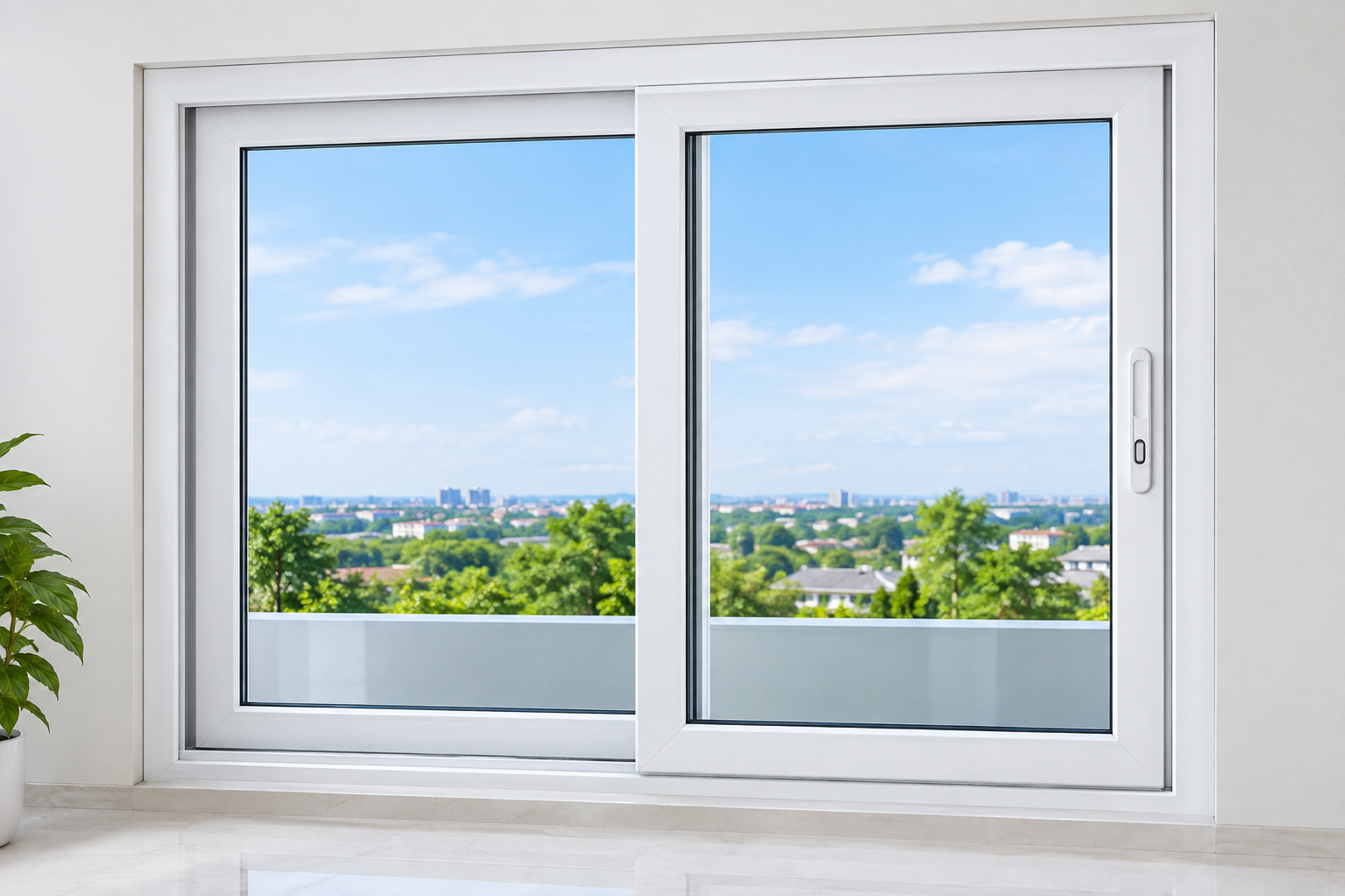
Natural light can make interiors feel more open, reduce dependence on artificial lighting during daytime, and improve the visual connection between indoor and outdoor spaces. However, selecting UPVC Glass Windows requires more thought than simply choosing the largest possible glass area.
The frame configuration, glass specification, room orientation, privacy requirements, ventilation, and surrounding environment should all influence the decision.
Begin With the Purpose of the Window
Different rooms need different balances of daylight, ventilation, privacy, and visibility.
Living rooms often benefit from larger glazed areas, while bedrooms may require a balance between daylight and privacy. Staircases and passages may primarily need natural illumination. Kitchens and utility areas generally require ventilation as well.
Understanding the purpose of each opening prevents the same glass solution from being applied unnecessarily throughout the building.
Glass Type Influences Window Performance
Glazing can be selected according to practical requirements such as safety, acoustic control, privacy, or solar exposure.
Depending on the application, project planning may consider:
- Clear glass for visibility and daylight
- Tinted or specialised glazing for particular solar conditions
- Safety glazing where required
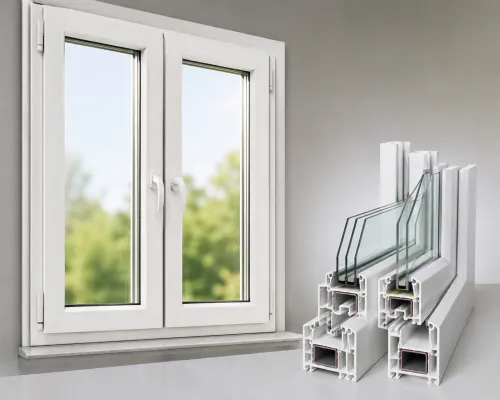
- Double-glazing configurations for specific thermal or acoustic objectives
- Obscure glass where privacy is important
The appropriate specification depends on the location and design of the property.
Bigger Is Not Automatically Better
Large glass panels can create attractive views, but dimensions should remain compatible with frame design, structural requirements, safe operation, and suitable glass specifications.
In Bengaluru, Karnataka, apartments and independent homes may experience very different levels of wind, rain exposure, traffic noise, and sunlight. A large window in a high-rise property therefore needs a different evaluation from a smaller opening in a sheltered house.
Frame and Installation Details Matter
The performance of UPVC Glass Windows depends on how the complete system is fabricated and installed. Accurate measurements help ensure proper fitting, while suitable seals and finishing help manage gaps around the frame.
Hardware should also match the opening configuration and expected frequency of use.
Plan Daylight Alongside Ventilation
A room can receive generous daylight without necessarily receiving adequate airflow. Fixed glazed portions and operable shutters can therefore be combined strategically when the design permits.
Before selecting a configuration, study the room orientation, nearby buildings, privacy needs, furniture arrangement, and ventilation paths.
For homeowners, architects, and builders planning projects in Bengaluru, a room-by-room approach provides more useful results than choosing glass windows based only on visual appeal.
The objective is to create openings that bring in appropriate natural light while still supporting ventilation, privacy, safe use, and the architectural character of the property. Thoughtful glazing and frame selection can make those priorities work together rather than forcing one to compromise another.
Keywords